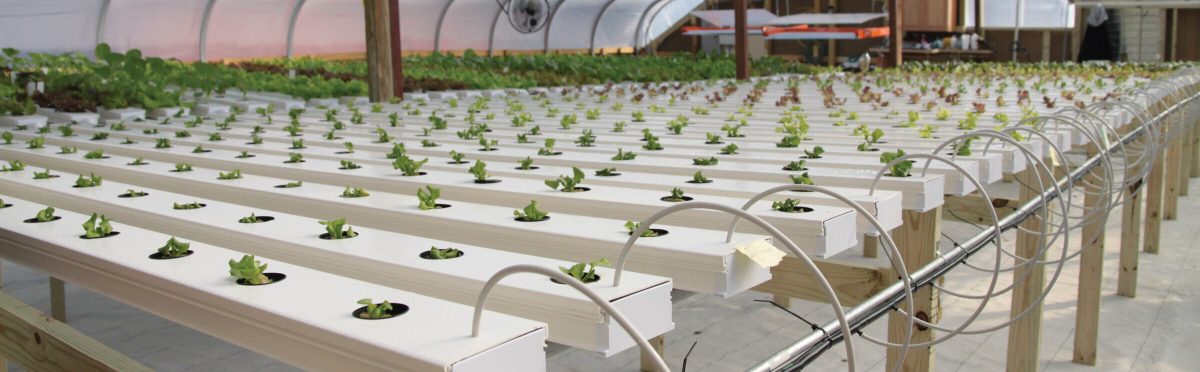
Hydroponic systems are not only revolutionizing the way we grow plants, but they are also making waves in the realm of air conditioning and filtration. By incorporating hydroponics into these systems, there is an opportunity to create a more sustainable and efficient way to cool and clean indoor air. One exciting development in this field is the integration of CO3 into hydroponic air conditioning and filtration systems, offering a unique solution to indoor air quality issues.
With the increasing concern over air pollution and the need for more sustainable living practices, hydroponic air conditioning, filtration, and CO3 technology could provide a step in the right direction. By harnessing the power of hydroponics to not only grow plants but also purify air, we may be able to create a healthier indoor environment while reducing our carbon footprint. In this article, we will explore the potential benefits of hydroponic air conditioning, filtration, and CO3 technology, and how it could revolutionize the way we think about indoor air quality and sustainability.
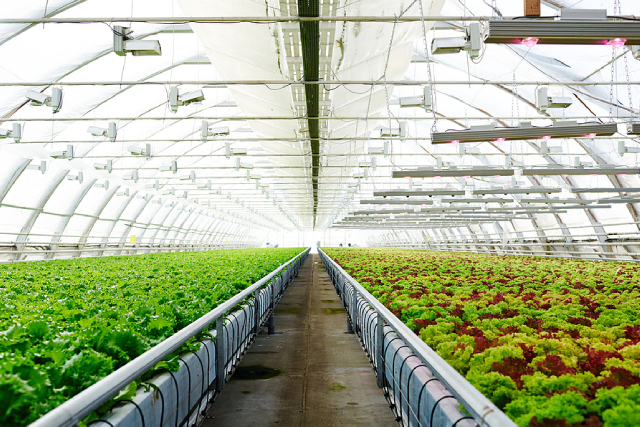
Hydroponic Systems for Air Quality
With the rise in urbanization and industrialization, indoor air quality has become a major concern. Hydroponic systems offer a promising solution by not only purifying air through plant growth but also by incorporating CO3 technology into air conditioning and filtration systems. This innovative approach could significantly improve indoor air quality while promoting sustainability in indoor environments. The integration of CO2 & Air Filtration Tools for Hydroponics into hydroponic systems could revolutionize how we think about air purification, providing a more eco-friendly and efficient way to clean and cool indoor spaces.
The Future of Indoor Air Quality
As the world grapples with environmental challenges, the need for sustainable solutions has never been more pressing. Hydroponic air conditioning, filtration, and CO3 technology offer a promising avenue for addressing indoor air quality issues while reducing our carbon footprint. By harnessing the power of hydroponics to not only grow plants but also clean the air, we can create healthier indoor environments. The incorporation of CO2 & Air Filtration Tools for Hydroponics into these systems represents a step towards a more sustainable future, where innovation leads to healthier living spaces and a cleaner environment.
In conclusion, the integration of hydroponic technology into air conditioning, filtration, and CO3 systems presents a promising opportunity to revolutionize how we think about indoor air quality and sustainability. By harnessing the power of plants to purify air and incorporating CO3 technology into these systems, we can create a healthier indoor environment while reducing our environmental impact. As we continue to face environmental challenges, innovative solutions like hydroponic air conditioning, filtration, and CO3 technology offer a path towards a more sustainable future where clean air and healthy living spaces go hand in hand. This fusion of technology and nature could pave the way for a greener and healthier world for generations to come.